Cold-start and pumping requirements
W indicates a winter grade. A lower preceding number requires passing cold-cranking and pumping tests at lower temperatures. It is not an oil-film-strength score.
 CORRIDA Racing Oil

TECHNICAL GUIDE
START HERE
Check model, year, engine type and whether there is a wet clutch. The same model can need different specifications in different years.
Record the full SAE viscosity and API, ACEA, JASO or manufacturer approvals. 'Fully synthetic' alone is not enough.
Matching viscosity does not guarantee matching performance. Matching performance does not allow arbitrary changes in viscosity.
Climate, loads, racing and long journeys help guide selection only within the range allowed by the manufacturer.
01 / SAE VISCOSITY
W indicates a winter grade. A lower preceding number requires passing cold-cranking and pumping tests at lower temperatures. It is not an oil-film-strength score.
The second number identifies the viscosity grade at operating temperature. 40 and 50 are different grades; 50 is not better for every engine.
An older vehicle does not always need thicker oil. Before changing the recommended viscosity, check the manual's permitted range, engine condition and a technician's assessment.
02 / PERFORMANCE
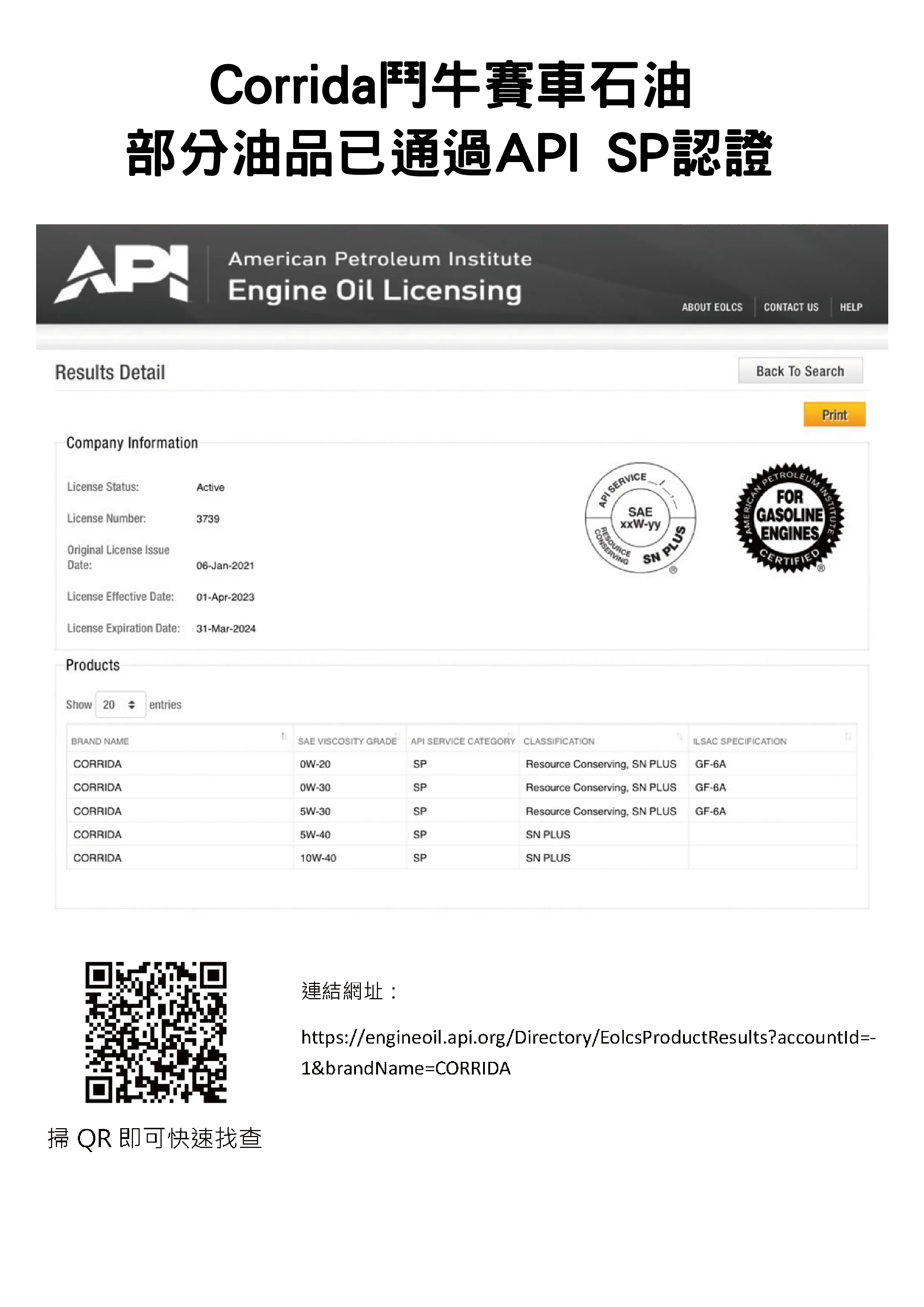
API S categories mainly serve gasoline engines; C and certain F categories serve diesel engines. An S marking alone does not establish diesel suitability.
If the manual specifies SAE 5W-40 and API SN, the label must satisfy both. 5W-40 alone is not enough.
ACEA light-duty sequences include A/B and C categories. A3/B4 covers high-SAPS, stay-in-grade gasoline and diesel oils. C categories focus on compatibility with catalysts and GPF/DPF aftertreatment. They serve different applications and cannot be ranked simply by letter or number.
Having a DPF or GPF does not make every C-category oil suitable. Match the complete ACEA specification or manufacturer approval.

JASO T 903 classifies four-stroke motorcycle oils as MA, MA1, MA2 and MB by clutch friction characteristics. These categories match different transmission and clutch designs, not a simple quality ladder.
Even with the same SAE viscosity, car oil should not directly replace motorcycle oil without the JASO category required by that motorcycle.
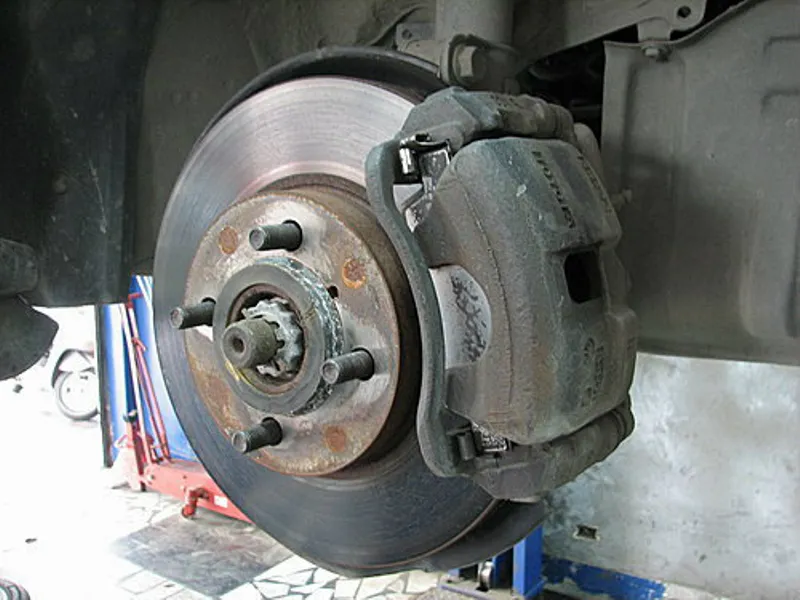
DOT 3, DOT 4, DOT 5 and DOT 5.1 are distinct performance and labelling categories. FMVSS 116 specifically identifies DOT 5 as silicone-based and DOT 5.1 as non-silicone, so a higher number is not a reason to mix fluids.
Do not treat DOT 5 as a direct upgrade from DOT 4, or mix fluids when system compatibility is uncertain.
HOW TO APPLY
The product must meet 5W-40 and API SN, or a newer S category permitted by the manufacturer. A 5W-50 oil marked SN is not an identical choice.
Find 10W-40 first, then check for MA2 on the label. 'Fully synthetic' or 'API SP' alone does not prove clutch compatibility.
Choose a DOT 4-compliant fluid. Do not substitute DOT 5 just because its number is higher, and keep water and foreign material out when topping up.
BEGINNER NOTES
Fully synthetic oil often has advantages in low- and high-temperature flow, volatility and resistance to degradation. But even excellent base oil is unsuitable if viscosity or performance fails to match the manual. 'Fully synthetic' describes formulation and technology, not universal vehicle compatibility.
Oil encounters combustion by-products, deposits and heat, so it may darken over time. Detergent and dispersant action can also hold dirt in the oil. Decide on replacement using manufacturer intervals, mileage, time and operating conditions, not colour alone.
Topping up restores the level but cannot make used oil and filters new again. Continue changing them at the manual's intervals. Frequent loss of oil also calls for checks for leaks, oil burning or other faults.
Engine oils generally have basic compatibility, but additive formulations differ and the combined performance is difficult to confirm. For an emergency top-up, first ensure the viscosity and specifications are suitable. For regular servicing, a complete change using one appropriate product is preferable.
Base oils, additives, API/ACEA performance, manufacturer approvals, testing and production controls may all differ. Compare compliance with the vehicle's requirements first, then intended use and price.
Consider engine design, permitted viscosities, mechanical condition, oil consumption and leaks. Moving directly from 40 to 50 may change cold flow and resistance at operating temperature. Check the manual's range or consult a technician first.
These ACEA C categories consider exhaust filtration, but their ash and high-temperature high-shear viscosity requirements differ. Compare the manual's complete specification or manufacturer approval exactly.
Manufacturers set distance or time intervals. Frequent short trips and starts, prolonged idling, heavy loads, heat or competition may count as severe service. Follow the manual, then adjust for actual use rather than relying only on a workshop's generic number.
LABEL DICTIONARY
OFFICIAL REFERENCES
Provide the vehicle model, year, engine type and a photo of the manual's specifications so we can help compare requirements. Existing noise, oil leaks or brake problems should be inspected by a professional technician first.
Product enquiries